
Rugby
What is the Difference Between Rugby League and Rugby Union?
Rugby football has two codes: rugby league and rugby union. They are similar sports, with rules and laws that often mirror each other. However, the two codes are very different. These are the differences between rugby league and rugby union.

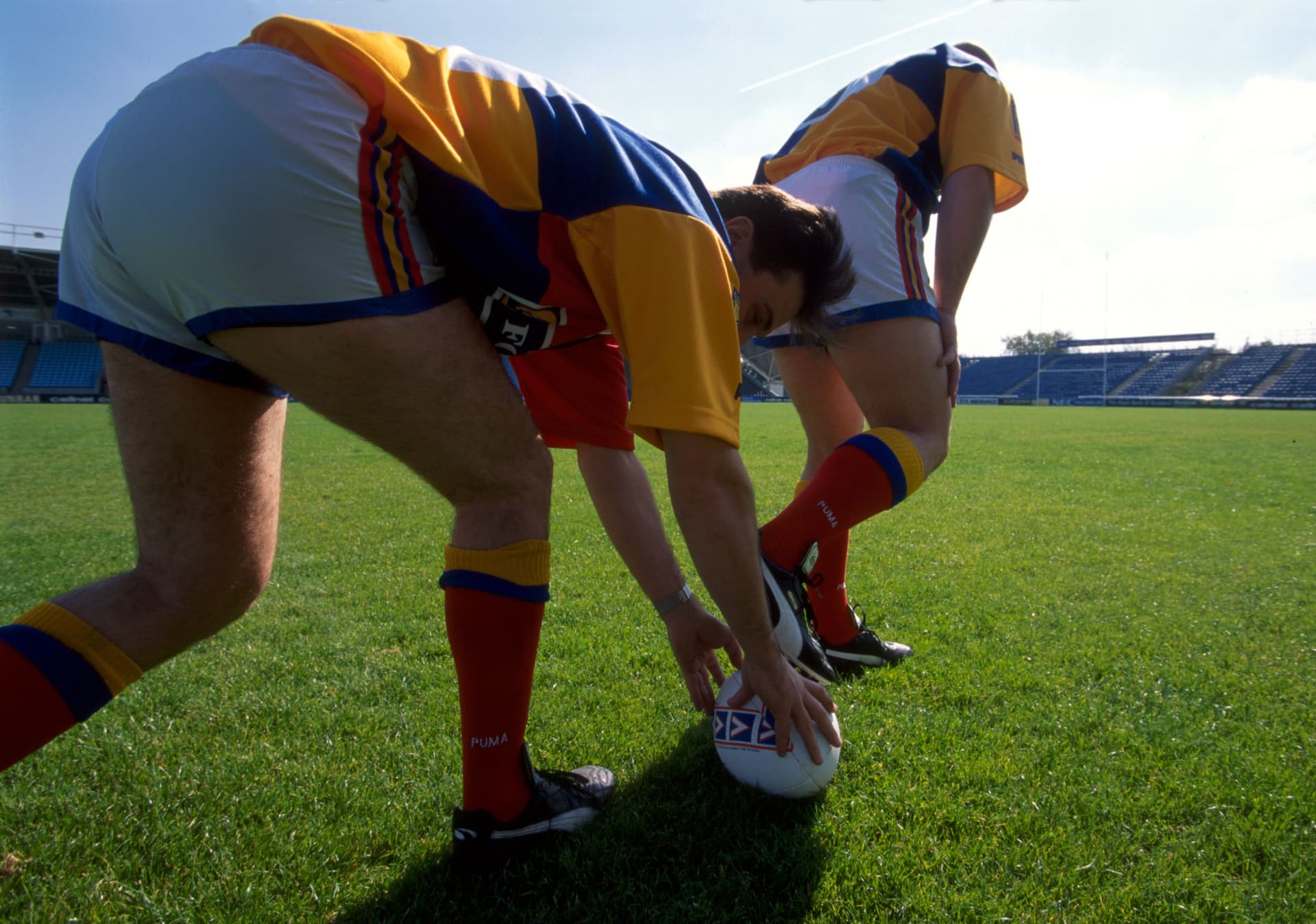
A form of rugby has been played since 1823 when William Webb Ellis picked up the football, raced down the field, and dived into the goals. The first rugby laws were drafted at Rugby School, England, in 1845.Clubs began to leave the Football Association (FA) in 1863 to form their own rugby teams. The Rugby Football Union (RFU) was formed in 187. But in 1895, there was a further split in rugby football. It led to the formation of rugby union and rugby league.
The rugby league originated in Huddersfield, Yorkshire, in northern England. The Northern Rugby Football Union (NRFU) was formed to create the new rugby football code. They broke away from the core elements of rugby union and changed the points-scoring systems. The lineout was removed in 1897. In 1906, rugby league reduced the number of players per team from fifteen to thirteen.
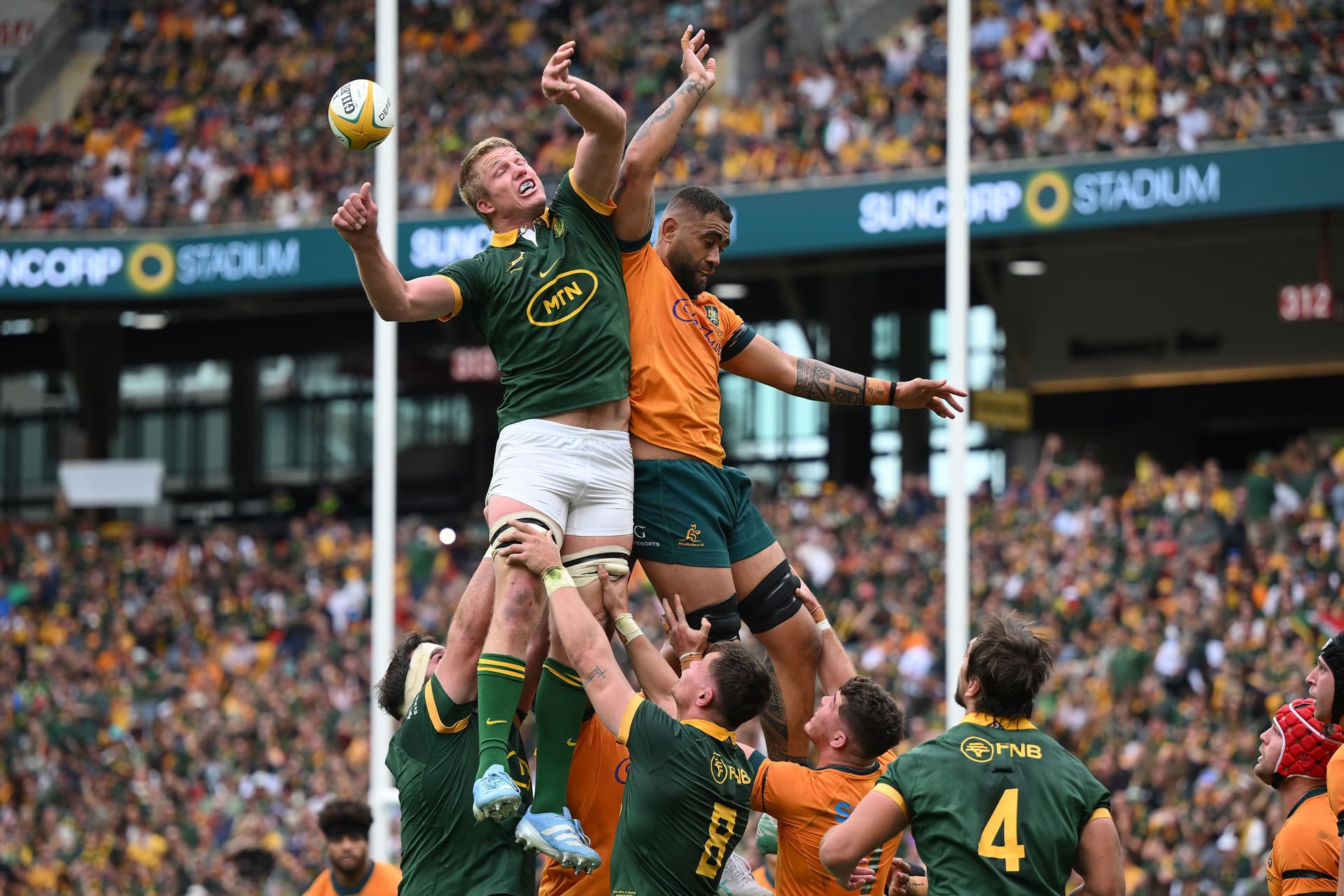
Image for Australia v South Africa - The Rugby Championship//Getty
The NRFU scrapped the ruck in the same year, replacing the breakdown with a ‘play-the-ball’ style game. Rugby union remained an amateur sport; however, rugby league went professional in 1898. The NRFU changed its name to ‘Rugby Football League’ in 1922. Union remained amateur for a century. Formal restrictions on payments to union players were removed in 1995, and the sport became professional in 1996.
Rugby League Football is commonly called rugby league. The sport is colloquially known as ‘league’, ‘footy’, and ‘football’ in countries that play the game. Rugby Union is commonly called ‘rugby’ in the game’s traditional strongholds and sometimes called ‘footy’ in Australasia and ‘rugga’ in South Africa.
Points Differences Between Rugby League and Rugby Union
| Rugby | Try | Conversion | Penalty Goal | Drop/Field Goal |
| Rugby League | 4 | 2 | 2 | 1 |
| Rugby Union | 5 | 2 | 3 | 3 |

The Difference in Rugby League and Rugby Union: Points and Playing Personal
Points-scoring in both rugby codes are the same. Players can score a try, convert the try, kick penalties, and drop goals. The only difference is the points awarded for each score. Five points are awarded for a try and two for a successful conversion. The term “goal” is seven points total for a converted try.
Penalties and drop goals count as three. Rugby league awards four points for a try, two for a conversion, and three for a penalty goal. However, field goals in rugby league are only worth one point, two fewer than in union.
Numbers of Players in Rugby League and Rugby Union
| Rugby | Forwards | Backs | Total |
| Rugby League | 6 | 7 | 13 |
| Rugby Union | 8 | 7 | 15 |
The Differences Between Rugby League and Rugby Union
A notable difference between rugby league and rugby union is the number of players on each team in each sport, the points-scoring systems, and the different names of positions and numbers on the jerseys. League is fast and free-flowing, with little to no emphasis on set pieces. There are no lineouts and no rucks. Instead, each team has possession for six phases before kicking the ball away or scoring points. This is known as ‘play-the-ball’ in rugby league.
The tackled player must release the ball in rugby union. In rugby league, however, the tackled player does not release the ball. Instead, he stands up and rolls the ball between his legs to the scrumhalf to start the next attacking phase. If a player holds onto the ball at the ruck in rugby union, he will concede a penalty.
When the ball goes into touch, a scrum is awarded in rugby league, but a lineout is formed in rugby union. Rugby union scrums have eight players, while rugby league only pack down with six players; there are no flanks. Rugby league scrums are uncontested, but in union, scrums are one of the core facets of the game.
The ball is in play more in league than union by an average of fifteen minutes more per match. Rugby league objectives are to keep possession through multiple phases of attack. In rugby union, teams often kick possession away for tactical reasons. Teams with excellent set pieces will kick to touch and opt for scrums from free kicks and penalties. In league, the set piece is not a deciding factor in the outcome of a contest.
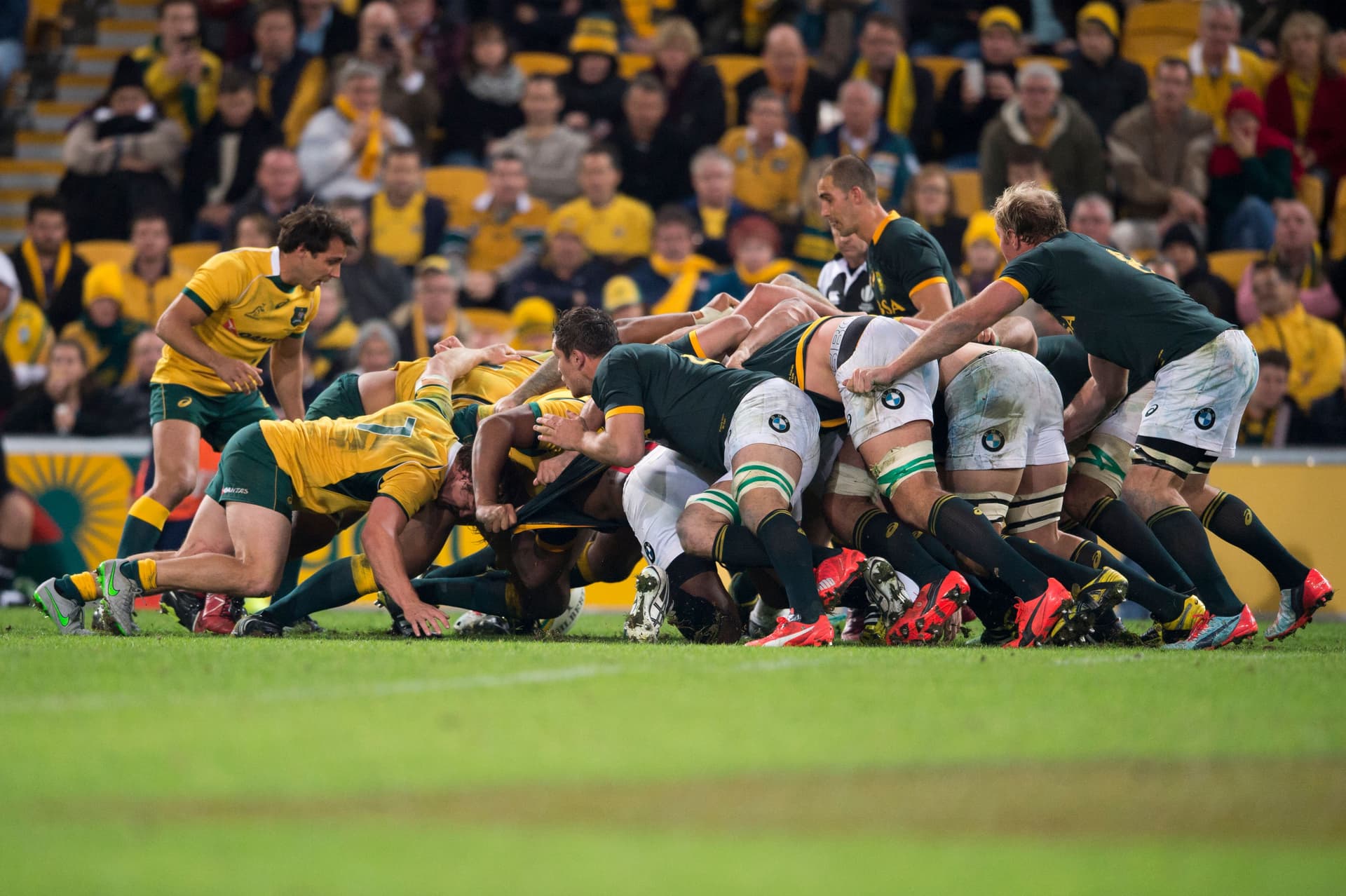
Scrum packs down during The Rugby Championship match//Getty
Overview of Players in Rugby League and Rugby Union
| Forwards / Backs | Rugby League Positions: Names & Shirt Numbers | Rugby Union Positions: Names & Shirt Numbers |
| Front Row Forwards | Front Row: Props (8 &10) Hooker (9) | Loosehead Prop (1) Hooker (2) Tighthead prop (3) |
| Second Row | Second Row (11 & 12) | Locks / Second Row (4 & 5) |
| Loose Forwards / Back Row | Lock / Loose Forward (13) | *Blindside Flanker (6), *Openside flanker (7) No. 8/Eighth Man/Number Eight/ (8) |
| Half-backs | Half-back / Scrum-half (7) | Half-back / Scrum-half (9) |
| Five-eighth / Stand-off (6) | First Five-eighth / Fly-half (10) | |
| Midfield / Centres | Left Centre (4) / Right Centre (3) | Inside Centre / Second Five-eighth (12) Outside Centre (13) |
| Wings | Left Wing (5) / Right Wing (2) | Left Wing (11) / Right Wing (14) |
| Fullback | Fullback (1) | Fullback (15) |
The positional numbers differ in rugby league and rugby union. With no lineout and the uncontested scrums in league, the props are hulking ball-carriers, like the locks, loose forwards, and centres in union. Second row forwards in rugby are tall and good in the air during set pieces. But in league, the lock and second row are mobile like backs in rugby and must have good handling to offload to the wings and fullback.
Depending on the tactics, a lock is much like a rugby union loose forward, but they can also be used in a first-five role. Scrum-half is one of two half-backs in both sports. In union, the scrum-half is the link between the forwards and backs and must be able to work within the set pieces and around the breakdown. The half-back in union is like the hooker in league. Both must be quick around the fringes and possess a good boot for tactical kicking.
The size of the fields differs in length and breadth, but both codes have a 94 to 100 metre long pitch, with a width of 68 to 70 metres. The sizes alter depending on the ground size. Rugby league has painted ten-metre lines from goal line to goal line. Rugby union has a five-metre, a 22-metre, and a ten-metre line between the halfway line.
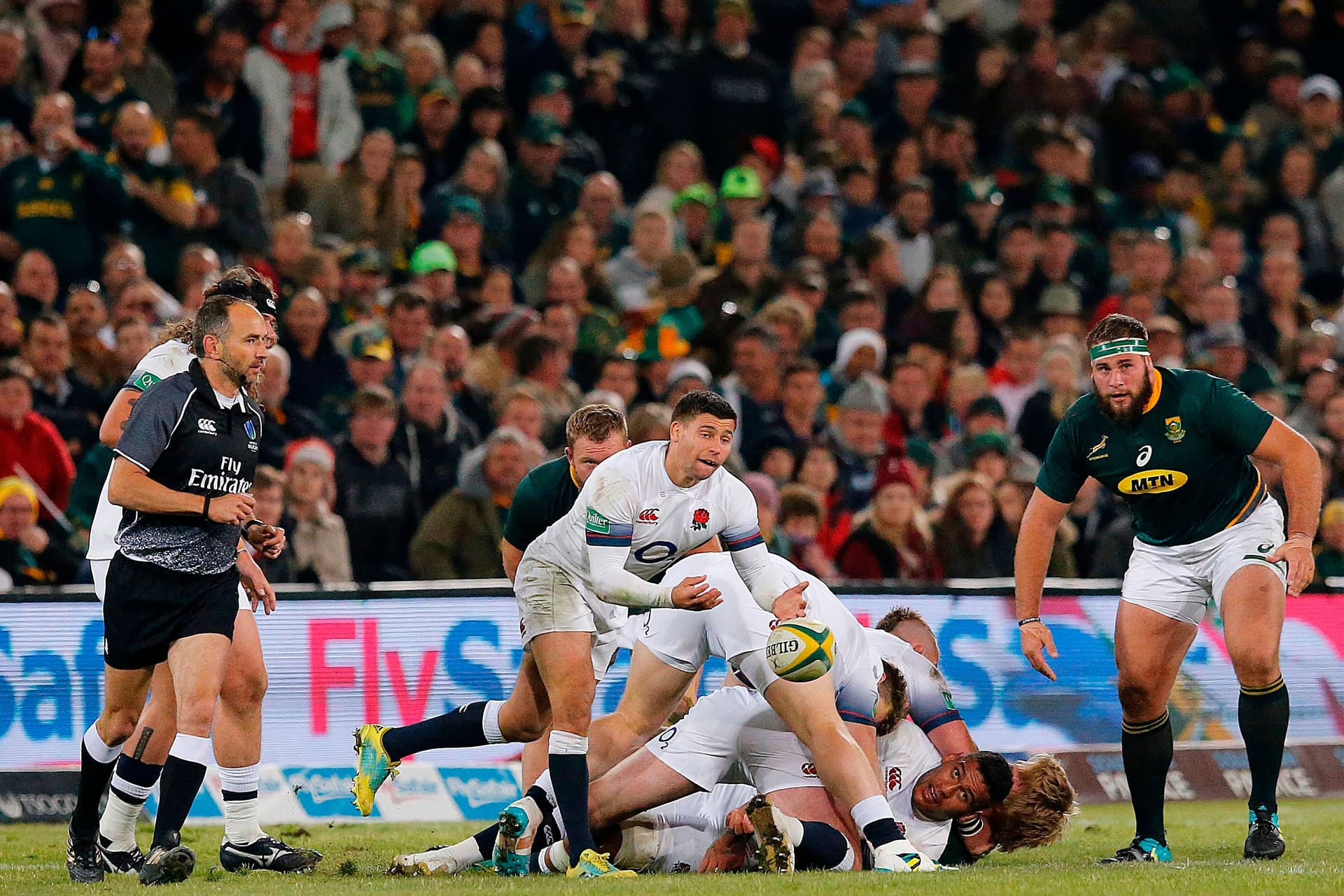
England scrum-half Ben Youngs clears the ball from a ruck//Getty
Comments
0 comments
No comments yet. Be the first to share your thoughts!
Related Resources to Rugby
- When Did England Win the Rugby World Cup?
- Where Did Rugby Originate?
- What is the Offside Rule in Rugby?
- What Is a Drop Goal in Rugby?
- What is a Forward Pass in Rugby?
- What are the Positions in Rugby?
- How Many Points is a Conversion in Rugby?
- Who Has the Most Super League Titles in History?
- How Many Players Are on a Rugby League Team?
- Scrum Basics in Rugby: What You Need to Know
- The Best New Zealand Rugby Union Wingers
- What is a Penalty Try in Rugby?
- Most Points in Rugby Union History
- Top 10 Rugby World Cup Try Scorers
- Most Rugby Championship Titles in History
- Rugby Points-Scoring System Explained
- How Long is Regulation Time in a Rugby Match?
- How Much Do Rugby League Players Earn?
- How Many Players in a Rugby Union Team?
- Super League
You might also be interested in

Kaylan Geekie is a sports fanatic. He attended Durban High School before moving to Scotland, where he lived for 15 years. During his time in the United Kingdom, Kaylan graduated with a first-class BA Honours Degree in Sports Journalism at the University of the West of Scotland. Kaylan worked for nine years as the Match-Day Editor of SuperXV.com, reporting on Super Rugby, The Rugby Championship, the 2015 Men's Rugby World Cup and the 2017 British & Irish Lions series for the website.