
Tennis
Explained: Why Tennis Balls Are Packed in a Pressurised Can
Have you ever wondered why tennis balls are packaged in pressurized cans? We have unpacked everything you need to know about Tennis balls here.

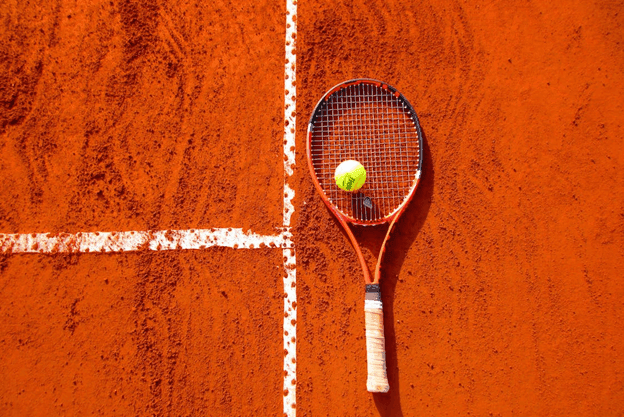
Image Credits: Pexels
No, it’s not simply because of the comforting sensation you get when you pop open a new can of tennis balls – although, if it was up to us, that is reason enough! The answer is actually because the can’s environment mimics the balls’ internal pressure, ensuring that the bounce, texture and expected characteristics of the ball remain intact.
So, Why are They Pressurised?
A new tennis ball has an internal ball pressure of about 14psi, this ensures the ball retains the new ball feel from the moment of manufacturing up until the can is opened. Naturally, the balls begin to lose pressure once the can is opened, and if you are somewhat above average in your ability, the recommended use of the balls are nine games.
From that point on, the bounce of the ball becomes less consistent, the ball loses its firmness and quickly becomes more appropriate for your pet than for your serve and volley!
Different Types of Tennis Balls
Thankfully, all tennis balls smell the same! However, in all seriousness, there are three main groups of tennis balls: professional, championship and practice balls. Whilst they all serve their intended purpose, there are a few determining factors as to which is the most appropriate.
Professional Tennis Ball
This ball is a premium tennis ball. High quality, high level of pressure and can maintain that pressure throughout a competitive match. Often, these balls are discarded after first use (but that is just down to the professional needs of high level tennis), the ball itself is still very much serviceable.
Championship Tennis Ball
A step down from the professional ball, both in pressure and quality, this is a somewhat more affordable option for your everyday (but still competitive) encounter. These balls are designed to be put through their paces and service multiple games.
Practice Tennis Ball
As the name suggests, they aren’t intended for a competitive matchup. These are great for ball machines and often find their home in the ball basket for an extended period. These guys have an amazing life span, and so coupled with their price, they often make for a coaches’ best friend.
According to the ATP and WTA standards, a new set of 6 balls is put into a professional tennis match after the first seven games of any given match. Thereafter, new balls are introduced after every nine games.
Does the Surface Have an Effect on The Type of Ball?
What about the surface you ask? Well, it certainly plays a role insofar as determining the makeup of the ball. There are four categories of balls influenced by the surface, namely; All-Court, Hard Court, Grass Court and Hi-Altitude.
All-Court Tennis Ball
Ideally for your clay surface or indoor surface. They have a much softer feel, but also a significantly shorter lifespan than their hard court cousins.
Hard Court Tennis Ball
Yes, you guessed it! They are meant for hard courts. The feel is a largely more texturised, the ball is woven with more wool for the harder surface and as such are best for your outdoor courts.
Grass Court Tennis Ball
These are effectively the All-Court balls, but with a stain resistant model attached to their manufacturing. This is only done so that the grass doesn’t adversely affect the colour of the ball.
Hi-Altitude Tennis Ball
The science suggests that at around 4000 feet or higher your average tennis ball flies around, these are then simply manufactured to be played at altitudes of 4000 feet or higher and maintain their expected characteristics.
Comments
0 comments
No comments yet. Be the first to share your thoughts!
Related Resources to Tennis
- Tennis Match Suspension: What Does It Mean?
- Doubles Tennis Rules: Serving, Scoring, & Key Guidelines
- What is a Break Point in Tennis? Meaning & Types Explained
- How Many Sets in Wimbledon? Men's & Women's Match Format
- What is an Ace in Tennis? Meaning & Key Facts
- Ultimate Guide to Hitting a Powerful Backhand in Tennis
- Nitto ATP Finals 2024
- How Does a Tie Break Work in Tennis? Quick Guide!
- Understanding Tennis Scoring: How Many Sets in a Match?
- Longest Tennis Match Ever: Who Played and Won?
- Why does tennis use 15, 30, 40? Explained!
- What is the fastest tennis serve ever recorded?
- Why do Tennis Players Blow on Their Hands? Answered!
- Arthur Ashe Stadium Capacity: How Many Fans Can It Hold?
- Top 10 Male Tennis Players of All Time
- What is a Grand Slam in tennis?
- How Long Is a Tennis match?
- Did Rafael Nadal Retire from Tennis? His Final Farewell
- What is a walkover in tennis?
- What is a double fault in tennis?
You might also be interested in

Ryan Liberty is an experienced sports writer whose articles have featured in some of the biggest sports publications in South Africa. With a strong understanding of all major sports and an in-depth understanding of betting, Ryan consistently delivers insightful content. He's also known for his ability to break down complex topics into engaging, reader-friendly pieces.