
Cricket
Understanding the Umpire's Bye Signal in Cricket
Explore the world of cricket umpiring signals with us. From signaling boundaries to dismissing batsmen, discover the key gestures umpires use to communicate decisions.
published: 2024-05-03
Last updated: 2024-11-27

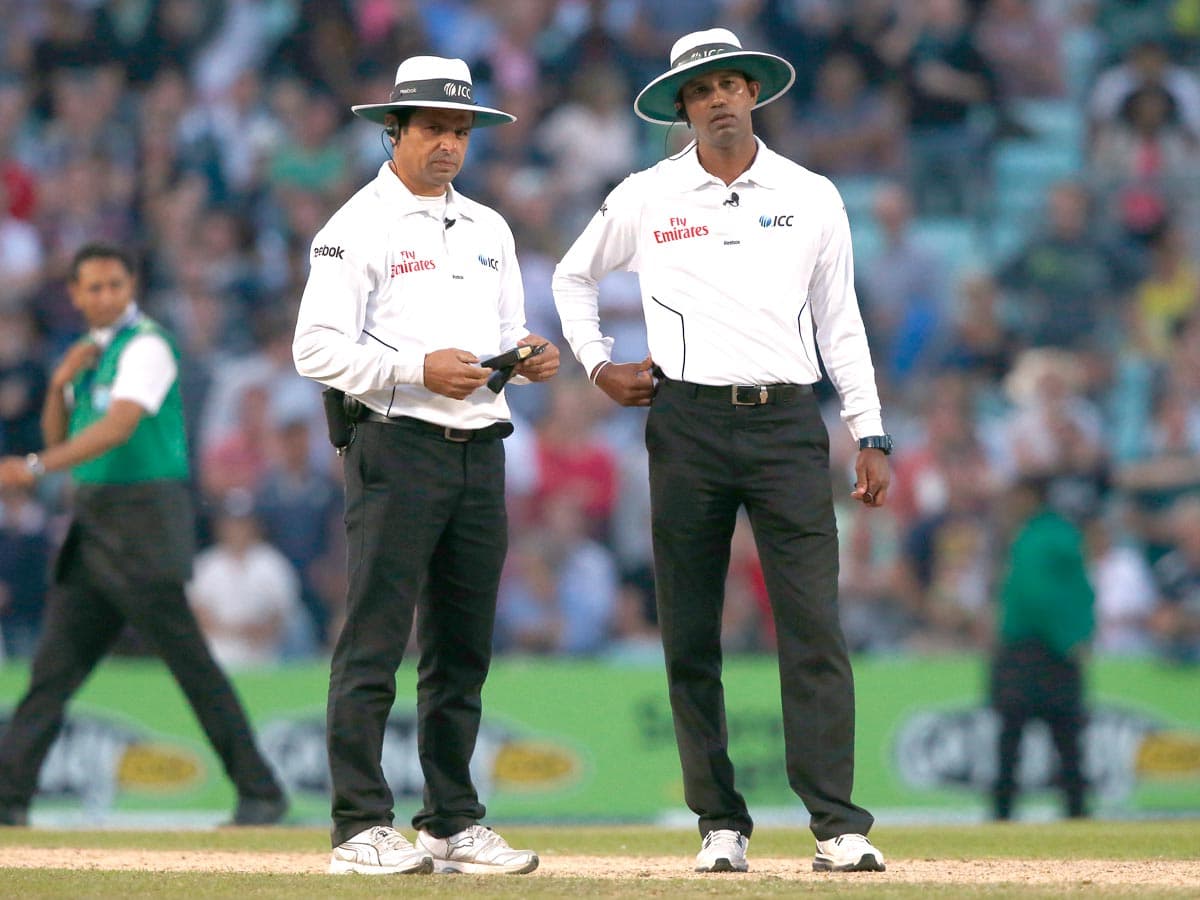
Image Credits: MensXP
Umpires, the crucial guardians of fairness in the game of cricket, wield a language of their own. With a simple gesture or a raised finger, they communicate decisions that can sway the fate of a match. Among the many signals they employ, the "bye" signal stands out as one of the most intriguing.
The Role of Umpires in Cricket
Cricket, often regarded as a gentleman's game, places importance on fair play and adherence to its many rules. Umpires serve as guardians of these rules, ensuring that the game progresses smoothly and fairly. Their authority extends to interpreting and enforcing the laws of cricket in real-time, making split-second decisions that can shape the outcome of a match.
The Bye Signal in Cricket
Byes are runs scored when the ball evades both the batsman and the wicket-keeper. If the ball passes the batsman untouched, it's typically caught by the wicket-keeper to prevent runs. However, if the wicket-keeper fails to catch it, the batsmen may score. These runs are added to the team's total but not to the individual batsman's score.
If the ball reaches the boundary without being touched by the batsman and the wicket-keeper, the batting team earns four byes, equivalent to a boundary hit by the batsman.
Wide deliveries result in wides, not byes, regardless of whether they contribute to extra runs. While wides and no-balls reflect negatively on the bowler's record, byes are attributed to the wicket-keeper's poor performance.
To signal byes, the umpire raises his arm vertically, with the palm of his hand open. This gesture distinguishes between the signal for byes and indicating a player is out.
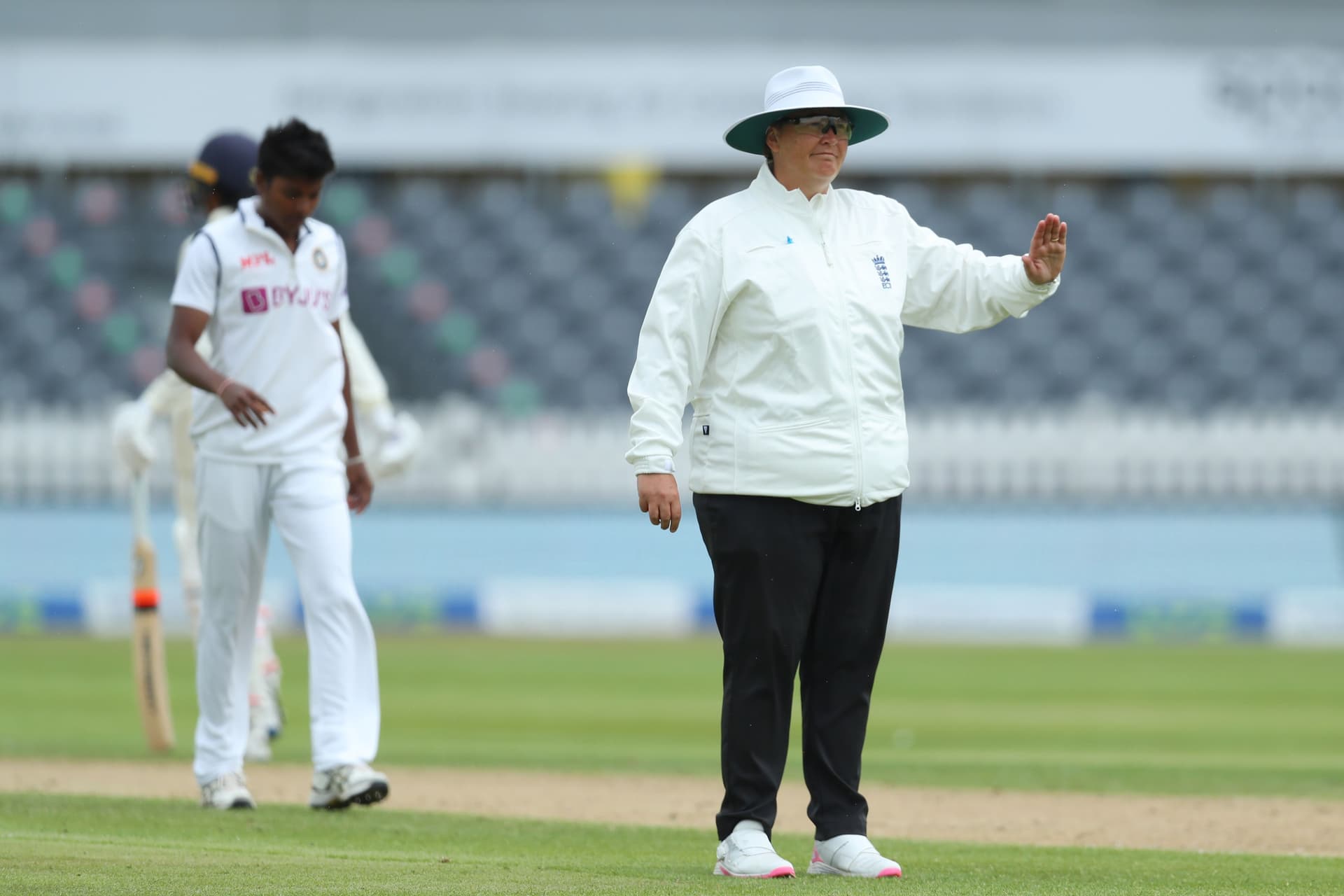
Image Credits: EB Clerk Of Court
All Umpires Signals in Cricket
Cricket umpires use various signals to communicate decisions and convey information during a match. Here are some of the most common signals:
Out
When an umpire raises their index finger, it signifies that a batsman is dismissed. This can be for various reasons such as being caught, bowled, LBW, stumped, run out, or hit wicket.
No-ball
When the bowler oversteps the popping crease while delivering the ball, the umpire signals a no-ball by extending one arm horizontally at shoulder height. A no-ball results in a free hit for the batting side on the next delivery.
Free-Hit
After a no-ball is called, the next delivery is a free hit. The batsman cannot be dismissed by any means other than a run-out. The umpire signals a free hit by circling one arm over the head.
Wide ball
When the bowler delivers a ball that is too wide for the batsman to reach and play, the umpire signals a wide ball by extending both arms horizontally at shoulder height.
Four runs
When the ball crosses the boundary after touching the ground, the umpire signals four runs by waving one arm back and forth in front of the chest.
Six runs
If the batsman hits the ball over the boundary without it touching the ground, the umpire signals six runs by raising both arms above the head.
Leg Byes
When a legal delivery fails to make contact with the bat but strikes the batsman's body, any runs scored are attributed as 'leg byes'. The leg bye signal in cricket is indicated by tapping on a raised knee.
Bouncer
A bouncer is a delivery bowled with the intention of rising steeply after pitching. When a bowler delivers a bouncer, the umpire signals it by tapping their right shoulder and lifting a corresponding number of fingers to indicate the number of bouncers delivered in the over.
3rd Umpire
When a decision is referred to the third umpire for review, the on-field umpire makes a rectangle gesture with both hands to indicate that the decision is being reviewed by the TV umpire. This is commonly seen for close run-out or stumping decisions, boundary line calls, and catching dismissals where the on-field umpire is unsure.
Short Run
During running between the wickets, if the batsman fails to ground the bat beyond the crease, the umpire can declare a short run. To indicate a short run signal in cricket, the umpire taps the shoulder with their fingers, indicating the cancellation of the run, resulting in the subtraction of the score from the scoreboard.
Leg Bye Rules
In cricket, a leg bye refers to an extra run scored by the batting team without the batsman making contact with the ball. According to Law 23 of the Laws of Cricket, a leg bye is awarded when the ball hits the batsman's body or protective gear instead of the bat.
To qualify as leg byes, the ball must hit the batsman under two conditions:
While attempting to hit the ball with the bat.
While trying to avoid being hit by the ball.
If the batsman is not attempting either of these actions and the ball strikes their body, it's considered a dead ball, and no runs can be scored.
Leg byes are frequently scored in Test cricket, with an average of around 20 per match, and about 10 in a 50-over game. The highest number of leg byes in a single Test innings is 35, conceded by England against South Africa during the Proteas' tour of England on 1 August 2008.
FAQs
What are cricket umpire signals?
Cricket umpire signals convey crucial decisions during play. A raised index finger means out and both arms raised signify a six. There are various such signals in cricket.
What are bye runs in cricket?
Byes are runs scored when the ball evades both the batsman and the wicket-keeper. If the ball passes the batsman untouched, it's typically caught by the wicket-keeper to prevent runs. However, if the wicket-keeper fails to catch it, the batsmen may score. These runs are added to the team's total but not to the individual batsman's score.
How many cricket umpire calls are there?
There are plenty of umpire calls in cricket – a few common ones include out, four, six, bye, leg bye, third umpire, no-ball, free-hit and wide.
For more in-depth guides and features in the cricket world, make sure to stay connected to Sportsboom.com.

Umaima Saeed is a professional sports writer whose articles have been featured in several leading websites. She writes long-form content on sports, particularly cricket. She has a penchant for telling human-interest stories. Umaima has contributed articles on cricket to more than a dozen publications, both in print and online.