
Snooker Betting Academy
The Miss Rule Explained: Understanding its Application in Snooker
Dive into the world of snooker's “Foul and a Miss” rule. Learn its application, controversies, and future implications.


The “Foul and a Miss” Rule Explained
The "foul and a miss" rule stands as one of the most debated and scrutinised regulations in the world of snooker. Its inception in September 1995 aimed to curb deliberate fouls and strategic plays, yet it continues to evoke controversy and discussion to this day. Understanding its application and implications is crucial for players, referees, and fans alike.
Additionally, if you're looking for a more in-depth guide into the rules and regulations of snooker, as well as some tips to better your game, don't forget to also check out our full in-depth snooker guide.
The Rationale Behind the Rule
The "foul and a miss" rule addresses a fundamental issue in snooker, the intentional playing of fouls to strategically position the cue ball. Prior to its implementation, players could sacrifice penalty points to their opponent to secure a safe position, effectively stalling the game. The introduction of the miss rule sought to penalise such tactics and uphold the integrity of the sport.
How the Miss Rule Works
When a player commits a foul and fails to make a reasonable attempt to hit the intended ball, the referee may call a "foul and a miss." This decision hinges on several factors, including the difficulty of the shot, the strength of the attempted stroke, and the proximity of the cue ball to the target ball.
If a player commits a foul and a miss, their opponent is awarded points based on the value of the ball involved. Generally, the opponent receives four points for the foul. However, if the foul occurs while playing the blue, pink, or black ball, or if one of those higher-value balls is hit first, the opponent is awarded the value of the specific ball in question.
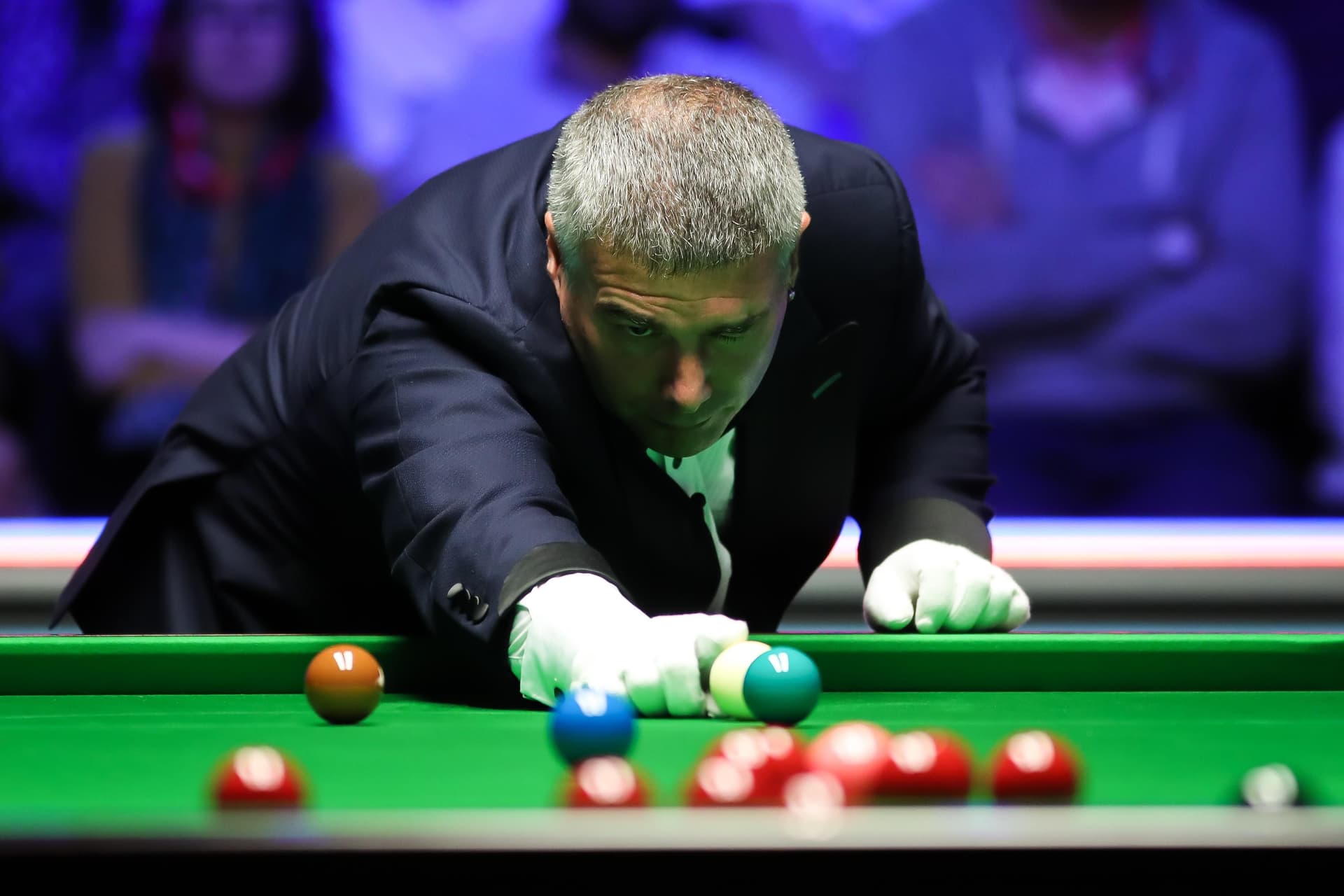
Image credit: WST
What is the Three Miss Rule in Snooker?
The "three miss rule" also comes into play when a player fails to make contact with the intended ball "on" three consecutive times, provided they have a clear line of sight to the ball. After the second miss, the referee issues a warning that a third miss will result in the opponent being awarded the frame. However, this rule is not enforced if the player is snookered, as missing due to avoiding a direct shot is typically a strategic rather than skill-related decision. Consequently, players often opt to make direct contact with the ball on the third attempt to avoid invoking this rule.
Controversies and Amendments
Despite its intentions, the miss rule has faced criticism and necessitated amendments over the years. Instances where players inadvertently trigger a miss call due to unforeseen circumstances highlight the rule's complexities.
An illustrative instance of an amendment to the miss rule in snooker occurred during the 2009 UK Championship match between John Higgins and Ronnie O’Sullivan. In this game, O'Sullivan found himself snookered on the colours and inadvertently nudged a red before attempting his shot, prompting referee Jan Verhaas to negate the miss call. This decision was made because the red became the playable colour for the subsequent shot instead of a nominated colour. Consequently, the rules were promptly revised to address such rare circumstances and ensure fair application of the miss rule.
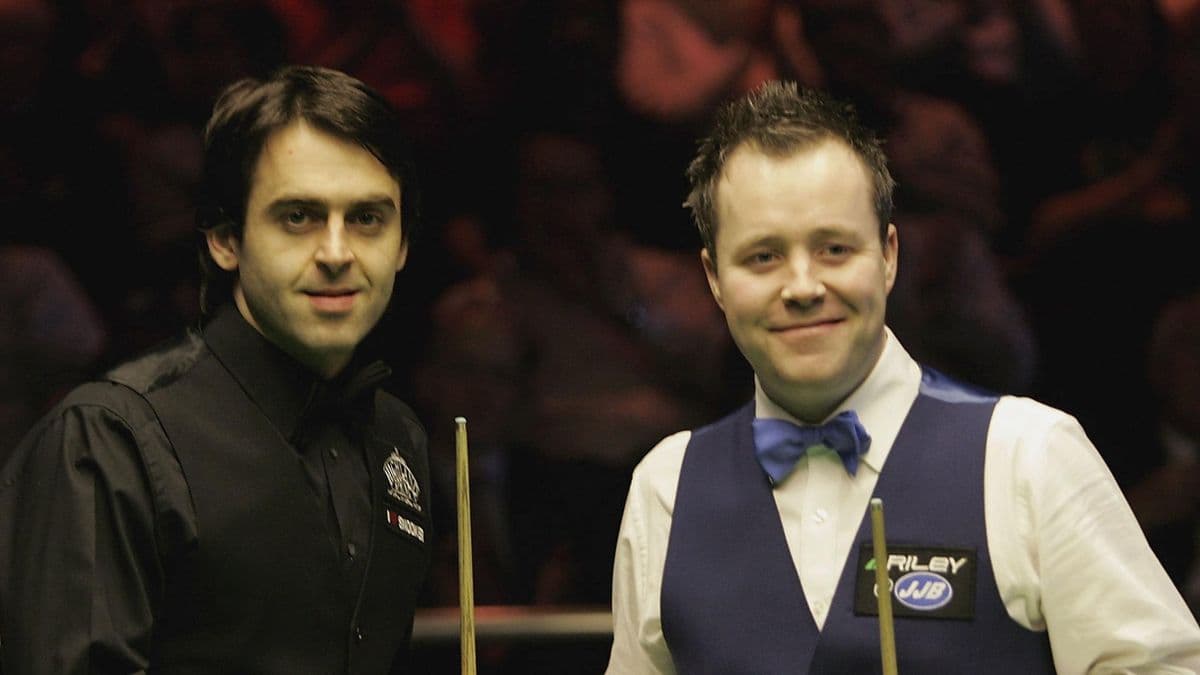
Image credit: Eurosport
Referee Discretion and Technological Aid
Referees play a pivotal role in applying the miss rule judiciously. Their discretion and judgment are crucial in determining whether a miss call is warranted. However, advancements in technology could enhance accuracy in re-spotting balls, reducing discrepancies and ensuring fair play.
The Future of the Miss Rule
Opinions on the miss rule remain divided among players, officials, and spectators. While some advocate for more leniency and discretion in its application, others contend that the rule is necessary to maintain fairness and integrity. As discussions continue, the quest for a balanced and effective approach to enforcing the miss rule persists.
The "foul and a miss" rule in snooker serves as a cornerstone of fair play and sportsmanship. While its implementation may spark debate and contention, its purpose remains clear, to uphold the principles of the game and ensure a level playing field for all participants. As the sport evolves, so too must the rules govern it, striking a delicate balance between tradition and innovation.
In essence, understanding the nuances of the miss rule is essential for players, referees, and fans alike, fostering a deeper appreciation for the intricacies of snooker as a sport.
FAQs
When was the Miss rule introduced?
The Miss rule or "foul and a miss" call was introduced in September 1995, marking an amendment to the rule book. This addition was widely welcomed and positively received within the sport.
How many misses are allowed in snooker?
In snooker, there isn't a fixed limit on how many times a player can miss their shot and still receive another chance. Instead, according to the rules, players take turns until one successfully pots a ball or commits a foul. Following a foul, the opposing player is granted an opportunity to take their shot or have the balls re-spotted for a re-take.
This process continues throughout the match until all the red balls have been potted, leaving only the colours on the table. At this stage, shots cannot be retaken, and each player must alternate turns until the conclusion of the frame.
What is a foul and a miss?
A "foul and a miss" is called in snooker when a player fails to hit the ball "on" first, resulting in a foul, and the referee determines that the player has not made the best possible attempt to hit the ball.
Recommended Articles

Comments
0 comments
No comments yet. Be the first to share your thoughts!
You might also be interested in

Meet Louis Hobbs, our esteemed authority on all matters sports-related. With a wealth of knowledge and experience, Louis effortlessly emerges as our go-to expert. His particular expertise in the realms of darts and snooker sets him apart and brings a level of insight that goes beyond the ordinary. Louis also holds a deep affection for all things related to US sports, with a special emphasis on basketball and American football, which stand out as his particular favorites. His content may not resonate with you, if you don't consider Lamar Jackson the most skilled player in the NFL.